Physiological Mechanisms of Weight Stability
Published in February 2026 | Educational Article
Understanding Body Weight Equilibrium
The human body maintains a remarkable level of stability despite constant fluctuations in food intake, activity levels, and environmental conditions. This stability emerges from integrated biological systems working to preserve energy balance—a phenomenon scientists call homeostasis.
Weight equilibrium is not a static condition but rather a dynamic balance maintained through continuous physiological adjustments. Understanding these mechanisms provides perspective on how the body naturally regulates itself.
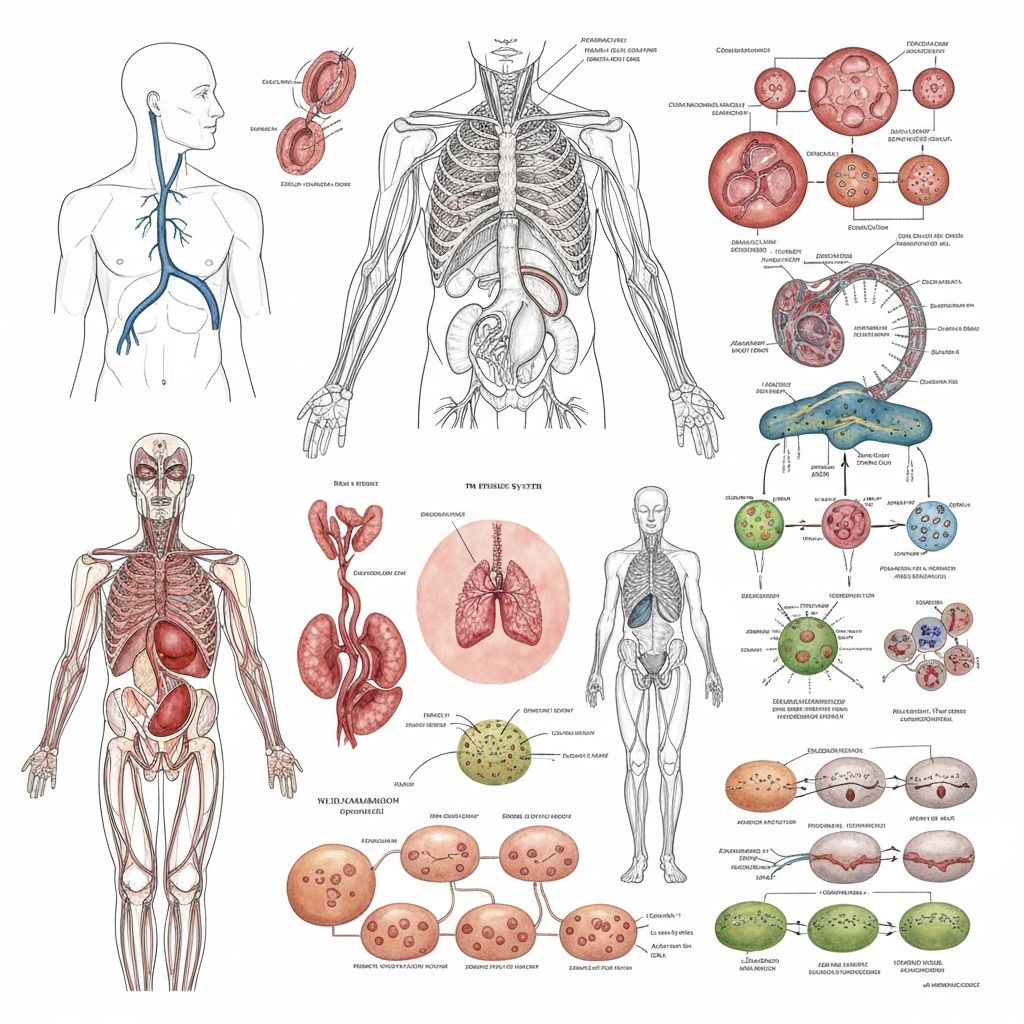
Core Regulatory Systems
Energy Balance Principle
At the foundation level, body weight reflects the relationship between energy intake and energy expenditure. This isn't merely mathematical—the body actively responds to imbalances through multiple mechanisms designed to restore equilibrium.
When caloric intake exceeds expenditure, metabolic rate may increase and appetite signals may diminish. Conversely, when expenditure exceeds intake, metabolic efficiency increases and hunger signals intensify. These aren't conscious processes but rather automatic physiological responses.
Hormonal Signaling
Sophisticated hormonal networks coordinate energy regulation. The hormone leptin, produced by fat tissue, signals energy status to the brain. Ghrelin, produced by the stomach, signals hunger. Insulin manages nutrient storage and utilization. Cortisol influences stress responses and energy allocation.
These hormones communicate constantly, creating feedback loops that adjust appetite, metabolic rate, and energy utilization in response to changing conditions. Individual variation in hormonal sensitivity explains why responses to identical dietary changes differ between people.
Metabolic Adaptation
The body adjusts its metabolic rate in response to sustained changes in energy intake. Extended periods of restricted energy intake trigger metabolic efficiency adaptations—the body preserves energy by reducing caloric expenditure. Extended periods of energy abundance can similarly influence metabolic adjustments.
This adaptation represents survival sophistication: in conditions of scarcity, the body conserves resources; in conditions of abundance, it mobilizes efficiency. Understanding this mechanism clarifies why weight stability persists even when intake patterns change.
Neurological Components
The hypothalamus, a brain region crucial for homeostasis, continuously processes signals about energy status, nutrient availability, and environmental factors. This integration determines hunger sensation, satiety perception, and behavioral responses to food.
The vagus nerve carries signals from the digestive system to the brain, communicating information about food intake and digestive processes. When eating occurs in a calm state, parasympathetic nervous system activation supports these signaling processes and digestive efficiency.
Metabolic Individuality
Genetic factors influence metabolic rate, hormonal sensitivity, and the efficiency of regulatory systems. This explains why identical interventions produce different outcomes in different individuals. Some people maintain stable weight across varied intake patterns; others experience greater sensitivity to dietary changes.
Age, sex, physical fitness level, sleep quality, stress management, and overall health status all influence how regulatory systems function. No universal prescription applies equally to everyone.
The Role of Food Quality
Different foods activate different regulatory responses. Whole foods with higher fiber, micronutrient density, and water content tend to produce stronger satiety signals and metabolic efficiency compared to processed alternatives. This isn't about willpower—it reflects differential physiological responses to different foods.
Quality nutrients support optimal hormonal function, neurological signaling, and metabolic processes. When the body receives nutrient-dense foods, regulatory systems function more efficiently.
Behavioral Integration
Eating context, pacing, sensory engagement, and stress levels all influence how physiological systems operate. Rapid eating in a stressed state suppresses parasympathetic activation, reducing digestive efficiency and satiety signal recognition. Mindful consumption practices enhance physiological function.
Educational Perspective: This article explains biological mechanisms. It provides no medical advice and does not prescribe individual approaches. Weight stability results from complex interactions that vary significantly between individuals.
Continue Exploring
Discover related perspectives on refined nutrition and conscious living
Read Next Article